Concrete Patio Cost: A Full Guide
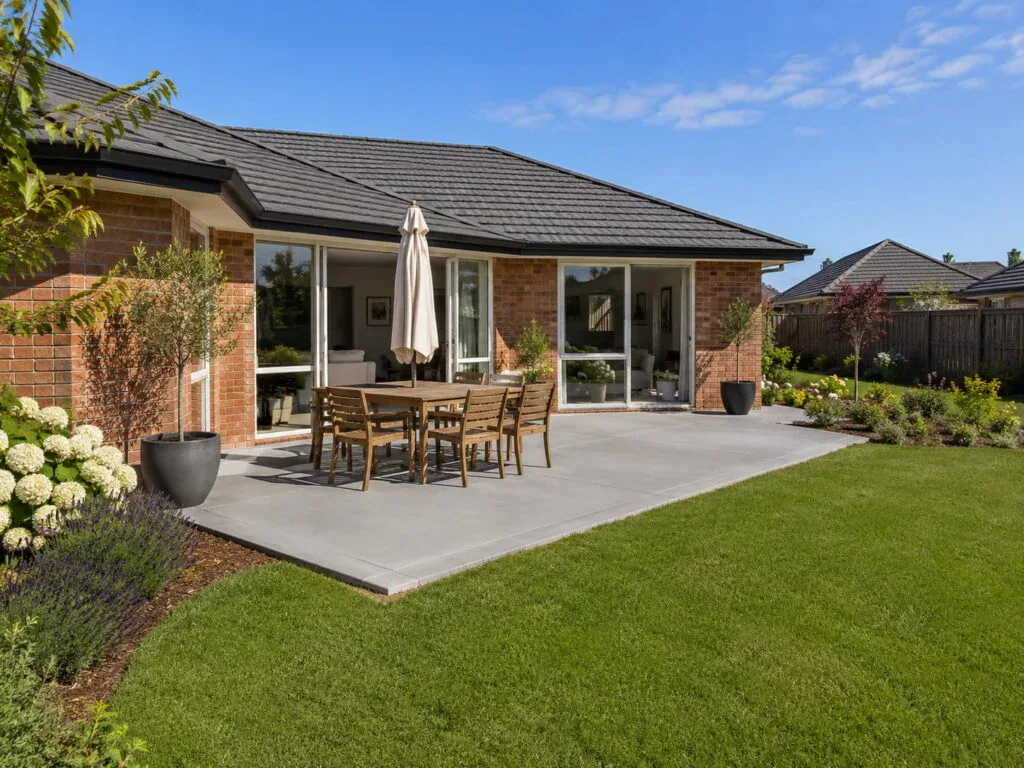
Adding a concrete patio is one of the most popular ways to extend outdoor living space, and understanding the cost drivers upfront helps you plan the project without any surprises along the way. The cost of a concrete patio depends on factors including the total area, site preparation and ground conditions, the thickness and reinforcement needed, and the finish selected, whether that's a simple broom finish, exposed aggregate, or a decorative coloured and stamped surface. Sites requiring significant levelling, excavation, or drainage work will generally cost more than a flat, easily accessible area with stable ground.
Additional features such as edging details, integrated steps, or curved and custom shapes can also add to the overall price compared to a simple rectangular slab. Because patios are often visible, high-use areas of the home, many homeowners choose a higher-end decorative finish, which increases cost but adds long-term visual appeal and property value. Understanding these individual factors makes it easier to compare quotes accurately and set a realistic budget from the outset. Below, we break down typical price ranges for concrete patios and the key elements that influence the final cost.
Concrete Patio Cost in Christchurch: Price Overview
In Christchurch, concrete patio costs typically fall in these ranges:
| Option | Price |
|---|---|
| Plain broom/brushed finish: | $80 – $120 per square metre |
| Coloured concrete: | $100 – $150 per square metre |
| Exposed aggregate: | $110 – $170 per square metre |
| Decorative/patterned concrete: | $130 – $220+ per square metre |
| Polished concrete (indoor/outdoor): | $150 – $250+ per square metre |
For a typical outdoor patio of 25–40 square metres:
| Option | Price |
|---|---|
| Plain concrete: | $2,000 – $4,800 |
| Coloured concrete: | $2,500 – $6,000 |
| Exposed aggregate: | $2,750 – $6,800 |
| Decorative concrete: | $3,250 – $8,800 |
These figures are for supply and lay, including sub-base preparation, formwork, reinforcing mesh, and standard finishing. They don't include covered pergola structures, steps, lighting installation, or landscaping around the patio.
What Factors Affect Concrete Patio Cost?
Several variables influence the final price of a concrete patio in Christchurch:
Size: Larger patios cost more overall, though a bigger pour can sometimes reduce the per-square-metre rate slightly. Odd shapes, curves, and multiple levels increase formwork complexity and labour time.
Finish type: This is one of the most significant cost variables. A plain concrete patio and an exposed aggregate patio can differ by $30 – $50 per square metre on the same project, purely due to the finish.
Site preparation: If significant excavation is needed, the area has poor drainage, or the existing ground is soft or uneven, sub-base preparation costs increase. Some Christchurch properties — particularly those on fill ground — require more substantial earthworks before concrete can be poured.
Access: If concrete trucks or mini-diggers can't reach the patio area easily, additional costs for pumping or hand work apply.
Step construction: If your patio includes steps up to a door or down to the garden, this adds material and formwork cost.
Edging and borders: Formed concrete edges, exposed aggregate borders, or exposed stone edging add to both material and labour costs but significantly lift the finished appearance.
Concrete Patio Finishes: Which Is Best for Christchurch?
Choosing the right finish for your concrete patio depends on your budget, aesthetic preference, and how the patio will be used.
Broom/Brushed Finish: The most affordable and most common. A slightly textured surface that provides good slip resistance for wet conditions — important for Christchurch's winters. Looks clean and modern, particularly in grey tones. Easy to maintain.
Coloured Concrete: A colour oxide is added to the concrete mix to achieve warm earthy tones, blues, or virtually any shade. Adds warmth and character compared to grey. Requires sealing to maintain colour vibrancy. Very popular in Christchurch for outdoor living areas.
Exposed Aggregate: The surface is washed back during finishing to expose the natural stone within the concrete mix. The result is an attractive, textured surface with excellent slip resistance and a premium appearance. Highly durable and widely used for Christchurch patios and driveways.
Decorative/Patterned Concrete: Stamps or imprints are used to create patterns that mimic stone, brick, tile, or timber. The most expensive option but can look outstanding when done well. Requires a skilled contractor to execute properly.
Polished Concrete: Primarily used for indoor-outdoor transitions or covered patio areas. Highly reflective and elegant, but requires specific maintenance and is less appropriate for fully exposed outdoor areas with heavy rainfall.
Concrete Patio vs Pavers: Which Is Better Value?
Pavers are a popular alternative to poured concrete for patios in Christchurch. Here's how they compare:
| Type of concrete | Explanation |
|---|---|
| Concrete pavers |
|
| Poured concrete |
|
For most Christchurch homeowners, poured concrete — particularly coloured or exposed aggregate — offers the best combination of durability, appearance, and value. Pavers suit specific aesthetic preferences or areas where future access to underground services may be needed.
Do You Need a Permit for a Concrete Patio in Christchurch?
In most cases, a standard ground-level concrete patio does not require a building consent in Christchurch. However, there are important exceptions:
If the patio is attached to the house and involves structural connections, consent may be required
If the patio is elevated — effectively a deck — different rules apply
If drainage from the patio connects to the stormwater system, this may require council approval
Properties in special planning zones (flood-prone areas, heritage zones) may have additional requirements
If in doubt, check with Christchurch City Council or ask your concrete contractor. A reputable contractor will know the local requirements and advise you accordingly. Proceeding without required consent can create problems when you sell your property.
How Long Does a Concrete Patio Last?
A properly constructed concrete patio in Christchurch can last 30–40 years or more with reasonable maintenance. The key determinants of longevity are:
Quality of the sub-base preparation
Slab thickness (100mm minimum recommended)
Concrete specification and mix design
Quality of finishing and curing
Ongoing maintenance (particularly sealing)
The most common causes of premature concrete patio failure are inadequate sub-base preparation (leading to settlement and cracking), insufficient slab thickness, and neglected maintenance allowing water to penetrate and freeze-thaw cycles to cause surface spalling.
For Christchurch's specific conditions — including potential ground movement — a well-reinforced slab with proper joint placement is particularly important.
Maintaining Your Concrete Patio
Maintaining a concrete patio properly extends its life and keeps it looking its best. Key maintenance tasks include:
Sealing: Apply a quality concrete sealer every 2–5 years depending on the product and exposure. Sealing protects against staining, UV degradation, and water penetration. Particularly important for coloured concrete to maintain colour depth.
Cleaning: Regular sweeping and occasional pressure washing keeps the surface clean. For stubborn stains, use a concrete-specific cleaner rather than harsh chemicals that can damage the surface.
Joint maintenance: If your patio has control joints or expansion joints, check that they remain clean and properly filled. Failed joint material allows water infiltration.
Crack repair: Small cracks should be sealed promptly before water infiltration causes further damage. A good concrete repair product and a thorough cleaning of the crack will extend the life of the patio significantly.
Getting the Best Concrete Patio Quote in Christchurch
To ensure you get a fair and accurate quote for your concrete patio, follow these steps:
Get at least three quotes: Compare quotes from reputable local concrete contractors. Make sure each quote covers the same scope, finish, and specifications.
Ask about concrete specification: Minimum 25MPa concrete is standard for residential outdoor applications in NZ. Some applications warrant 30MPa. If a quote doesn't specify, ask.
Check the sub-base plan: Any reputable contractor will explain how the sub-base will be prepared. A minimum of 100mm compacted metal base is typical.
Ask about warranty: A quality concrete contractor should offer a workmanship warranty of at least 12 months. Ask what it covers and get it in writing.
Verify insurance: Ensure your contractor has public liability insurance. This protects you if anything goes wrong during the job.
Look at their local portfolio: Ask to see examples of similar work in Christchurch. A contractor with a strong local track record is far less risky than one you can't verify.